10 Best Uncrowded Italian Destinations
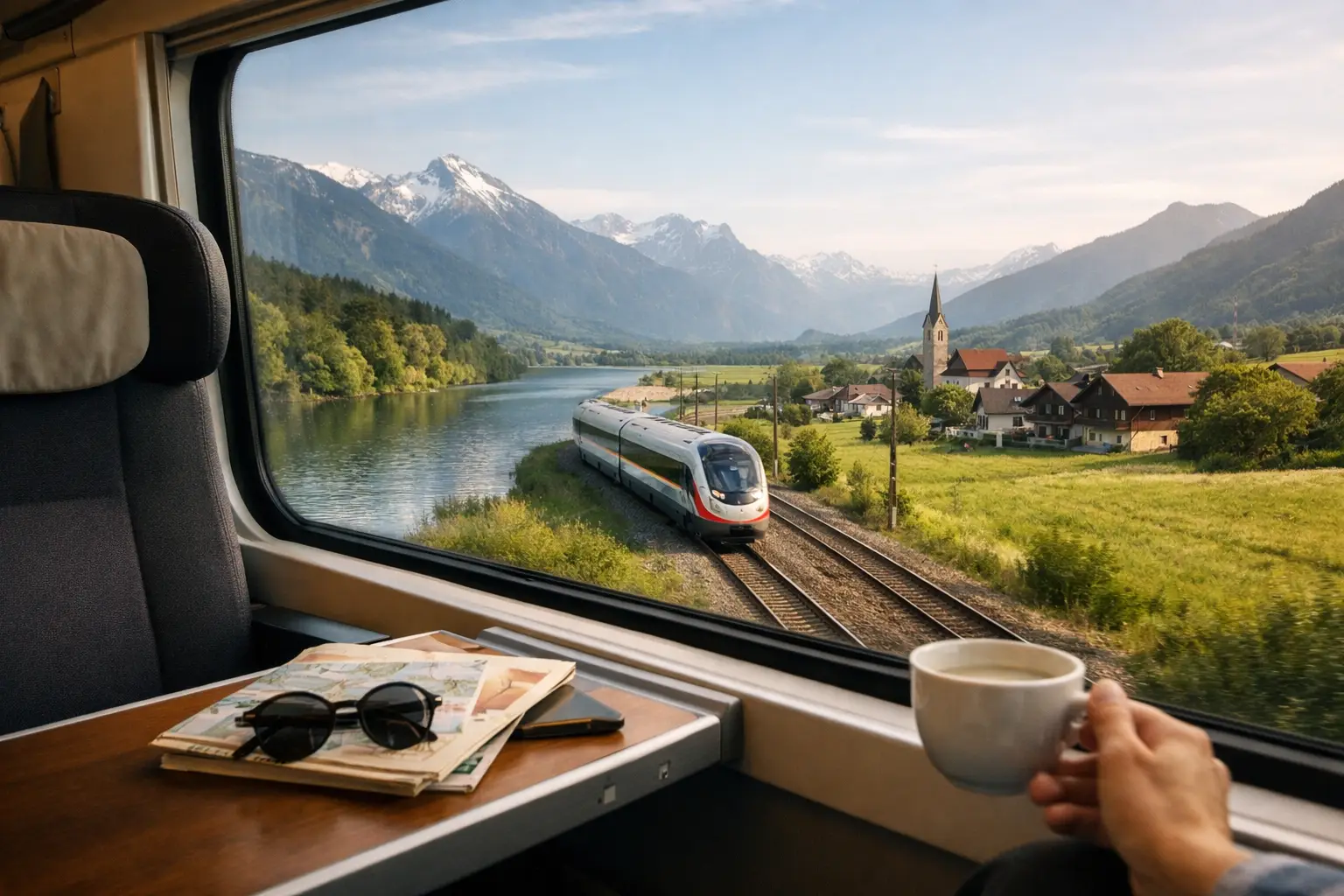
There is an Italy that doesn’t demand queuing for a photo, or booking months in advance for a mediocre dinner in a crowded square. When we talk about the best uncrowded Italian destinations, we are talking about places where you can still stroll unhurriedly, eat well without overpaying, and feel that the trip has its own pace. For those who value sustainability, train travel, and a more authentic experience, that Italy is still very much alive.
Why Seek Out the Best Uncrowded Italian Destinations
Avoiding overcrowding is not just a matter of comfort, although starting the day without being jostled is already a sufficient advantage. It also changes your relationship with the destination. In less saturated cities and towns, local commerce retains more personality, accommodations usually offer a closer touch, and the visitor has more room to integrate into daily life instead of merely consuming a tourist backdrop.
Furthermore, traveling to less stressed areas can be a more responsible decision. Overtourism concentrates pressure on very specific neighborhoods, public services, and ecosystems. Redistributing the flow towards other destinations, always with respect and planning, helps make the impact of the trip more balanced. It’s not about going where no one else goes just to boast about an exclusive secret. It’s about choosing better.
It is also worth mentioning something important: an uncrowded destination does not mean an empty destination. If you travel in August or during major long weekends, even quiet places can fill up. The difference lies in the scale, the atmosphere, and the way you explore them.
What These Less Crowded Italian Destinations Have in Common
Most share three traits. The first is that they allow for an unhurried stay of at least two nights, something key if you want to travel more sustainably and avoid exhausting itineraries. The second is that they work well when combined in a route, especially by train or with short transfers. The third is that they offer real substance: enough heritage, gastronomy, landscape, or local life to justify the trip on their own, not just as a cheap alternative to a more famous place.
Therefore, rather than looking for “the new Tuscany” or “the hidden Venice”, it is worth looking at Italy with fewer clichés and more discernment.
10 Best Uncrowded Italian Destinations
Trieste
Trieste has excellent coffee, elegant architecture, Central European heritage, and the sea. And yet, it remains off the radar for many Spanish travelers. It is an ideal city for those looking for culture without feeling overwhelmed, wanting to get around on foot, with good transportation and a very solid gastronomic offering.
It doesn’t have the pull of Rome or Florence, but that is precisely part of its appeal. Its pace is more serene and its identity more complex. It fits very well into a train route through northeastern Italy, combined with other less predictable stops.
Parma
Parma is usually associated with cheese and ham, and yes, it deserves the fame. But sticking only to the gastronomic side would be unfair. It has a refined historic center, great heritage, and a very comfortable size to spend two or three days without rushing.
It is an especially good option for couples or cultural travelers who want to enjoy a manageable, well-connected Italian city with less tourist pressure. It does not replace Bologna, nor does it try to. It plays in a different league: more discreet, calmer, and highly pleasant.
Lucca
Within Tuscany, Lucca is one of those exceptions that still allows you to breathe. Its Renaissance wall, which today can be walked or cycled along, sets the tone of the trip: unhurried, friendly, and highly enjoyable.
It is true that in high season it receives visitors, especially day-trippers. But by late afternoon, when many leave, it regains a much more livable atmosphere. That is why it is worth sleeping there and not just making a quick visit.
Orvieto
Orvieto proves that Umbria remains a strong candidate for those seeking Italy without the saturation levels of other regions. Its location on a plateau of volcanic tuff already makes it special, and its cathedral alone is enough to justify the detour.
The interesting thing is that it combines accessibility and calm very well. Arriving by train is simple, and once at the top, everything invites you to slow down. It is a highly recommended destination for a cultural trip with a low carbon footprint and without the complex logistics of more rural areas.
Mantua
Mantua has art, palaces, beautiful squares, and a powerful history, but it remains largely unknown to generalist international tourism. That is noticeable in the experience: less noise, fewer queues, and a more genuine feeling of a lived-in city.
It is a perfect destination for those who enjoy the Italian Renaissance but do not want to fight for every ticket or table. It also works very well as a stop on a broader northern route, linking several cities by train without the need for a car.
Lecce
In the heel of Italy, Lecce offers Baroque architecture, light, good weather, and a very attractive southern energy. During certain times in the summer it can get quite lively, but it is still far from the congestion levels of other great Italian classics.
The key here is choosing your dates well. In spring or early autumn, it is much more enjoyable. Furthermore, it allows you to combine urban heritage with getaways to towns and the coast, something very interesting for those who want variety without changing accommodation every night.
Ravenna
Ravenna is one of the great injustices on the Italian tourist map. Its mosaics are extraordinary and its historical relevance is enormous, yet it rarely appears in the first travel plans of those visiting Italy for the first time.
That makes it a practical gem. It is easy to navigate, has a very comfortable human scale, and offers a top-tier cultural experience without the pressure of other heritage cities. For a traveler who prioritizes real substance over fame, it is a very safe bet.
Ascoli Piceno
If you are looking for an Italian city with monumental beauty and little saturation, Ascoli Piceno deserves much more attention. Its Piazza del Popolo is one of those that invites you to sit for a long while, not just to snap a photo and keep running.
Here, the value lies in daily life. You don’t need an endless list of monuments to enjoy it. It is enough to walk, enter small shops, eat well, and let the place set the pace. That kind of experience is precisely the heart of slow travel.
Bergamo Alta
Bergamo is no secret, but it remains a smarter choice than many obvious stops in northern Italy. The upper city retains a very solid medieval charm, with views, walls, and a more contained atmosphere than that of other nearby, much more visited cities.
It also has a practical advantage: its good railway connection. This makes it easier to integrate into sustainable itineraries without sacrificing comfort. And for many travelers, that combination of logistical ease and less saturation is worth its weight in gold.
Siracusa
Sicily can no longer be considered a territory untouched by tourism, but within the island, there are still ways to travel better. Siracusa, especially if planned with time and outside the most intense peaks, offers history, sea, and a much gentler dimension than other Italian tourist hotspots.
It is not a secret destination, nor should it be sold as such. But it can indeed be an excellent choice for those who want a Mediterranean, luminous, and cultural Italy, without necessarily entering more overwhelmed tourist circuits.
How to Choose Well Among the Best Uncrowded Italian Destinations
It depends heavily on the type of trip. If you prioritize city and heritage, Trieste, Mantua, or Ravenna work very well. If you are looking for a getaway with gastronomy and a good pace, Parma and Lucca make a lot of sense. If you prefer a more Mediterranean trip, Lecce or Siracusa might fit better.
How you get around also matters. Not all less crowded destinations are equally well connected, and it is best not to improvise there. A sustainable trip is not just about taking fewer planes. It also involves designing logical routes, sleeping enough at each stop, and avoiding unnecessary changes. When the itinerary is well resolved, the experience improves greatly and the impact decreases.
Traveling Calmly is Also Traveling Better
There is an idea worth defending: seeing fewer places can give you much more. Spending at least two nights at each stop reduces fatigue, favors local consumption, and allows the destination to show you more than just its storefront. In Italy, this is especially noticeable.
That is why, when planning a route, it is best not to obsess over accumulating names. Sometimes a combination of three well-chosen destinations is worth more than a list of eight cities linked together at top speed. At EcoJourney Spain, we see this often: when the trip is planned calmly, with good trains, vetted accommodations, and real human support, the result is not only more sustainable. It is also much more memorable.
Italy still has places where you can travel without fighting the crowds. You just have to choose them well, give them time, and leave room for the journey to truly happen.
Pingback: Cheap Mediterranean cruise: what to look for - EcoJourney